Texture
Controlled stippling
Dot density creates tonal gradients and subtle surface variation without relying on conventional soft shading.
Dotwork tattoo style
Explore dotwork tattoo ideas built around precise stippling, deliberate tonal gradients, clean linework and controlled negative space.
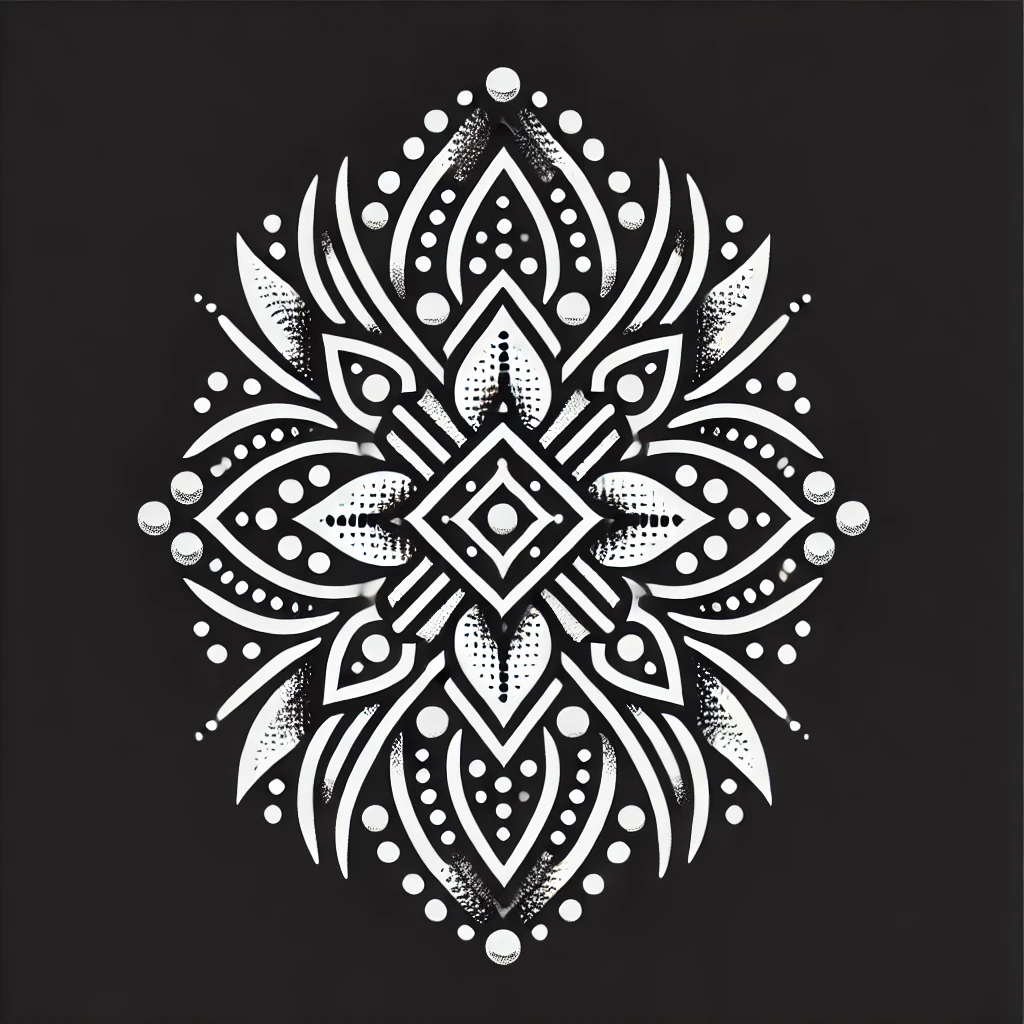
Precise stippling · Tonal control · Negative space
The visual language
Strong dotwork tattoos balance dense stippling against untouched areas so the design remains clear before the viewer notices its finer texture.
Texture
Dot density creates tonal gradients and subtle surface variation without relying on conventional soft shading.
Space
Open skin provides contrast against dense stippled areas and prevents detailed work from becoming visually noisy.
Structure
A strong underlying shape keeps the tattoo readable before the viewer notices individual dots.
Popular dotwork subjects
Radial symmetry and repeating detail pair naturally with precise stippled shading.
Moths, wolves, snakes and other animals can combine recognisable silhouettes with intricate texture.
Structured geometric forms create a strong framework for controlled dot gradients.
Flowers and leaves benefit from delicate transitions and intentional open space.
Moons, suns, stars and cosmic imagery suit the atmospheric quality of stippling.
Decorative symmetrical compositions can combine fine lines with dense tonal areas.
Best placements
Dotwork benefits from placements that preserve both the overall silhouette and the finer stippled transitions inside it.
Excellent for vertical ornamental, botanical and geometric compositions.
Provides space for radial forms, mandalas and rounded standalone designs.
Symmetrical ornamental dotwork can follow the body's central axis beautifully.
A strong vertical canvas for detailed standalone stippled compositions.
Create your own
Choose a strong subject and use stippling, linework and negative space to create controlled depth.
Generate a Dotwork TattooExample prompt
“A symmetrical moth with a crescent moon and botanical details, precise stippling, deep black accents and deliberate negative space.”
Frequently asked questions
Dotwork uses individual dots or stippled marks to build shading, texture and gradients rather than relying entirely on conventional smooth shading.
Mandalas, geometry, animals, botanical designs, celestial imagery and ornamental compositions are particularly well suited to dotwork.
No. Geometric dotwork is popular, but stippling can also be applied to organic, illustrative and figurative subjects.
Forearms, upper arms, calves, sternums and backs can all work depending on the symmetry and scale of the design.
Yes. An experienced tattoo artist can adapt the dot density, linework and scale to suit your skin and final placement.